
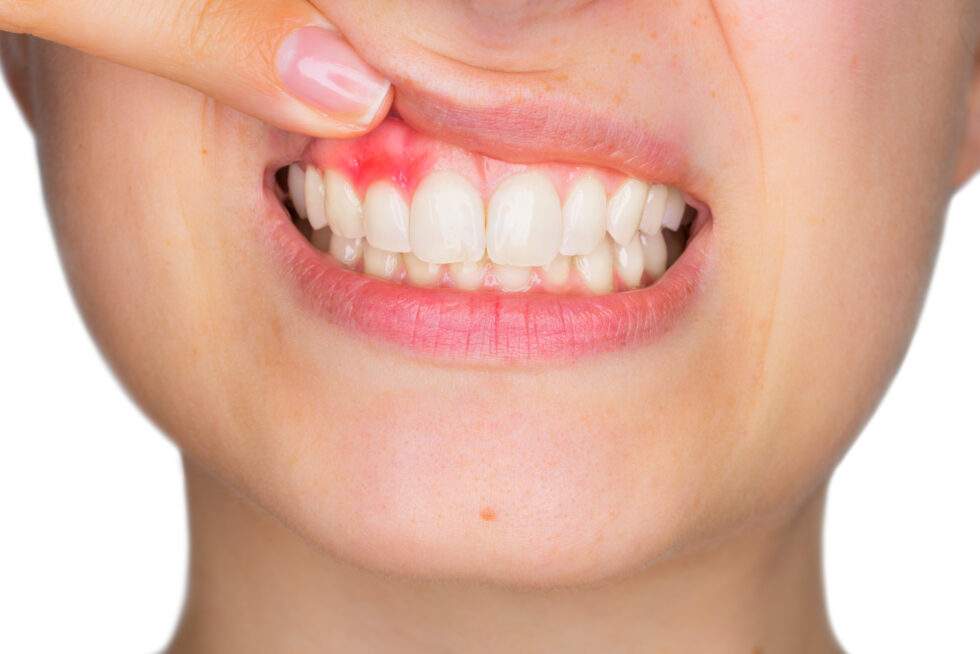
Why do gums bleed?
First, it’s important to understand that bleeding gums are not normal. They are often a sign of gum disease, also known as gingivitis. This condition develops when plaque builds up along the gumline, leading to inflammation and sensitivity. If left untreated, gingivitis can progress to periodontitis, a more serious form of gum disease that can damage the bone supporting your teeth.
Additionally, poor brushing and flossing habits can irritate your gums and cause bleeding. Other common causes include vitamin deficiencies, hormonal changes, certain medications, and systemic health conditions like diabetes. Smoking and stress can also weaken your immune system, making your gums more prone to infection.
How to prevent bleeding gums
Next, let’s look at prevention. Good oral hygiene is the best defense against bleeding gums. Brush your teeth twice daily with a soft-bristled toothbrush. Be gentle brushing too hard can cause more harm than good. Don’t forget to floss every day to remove plaque between your teeth and below the gumline.
Moreover, regular dental checkups are key. Professional cleanings remove tartar that you can’t reach with a toothbrush. Your dentist can also detect early signs of gum disease before it gets worse. Maintaining a healthy diet rich in vitamins C and K can also help strengthen your gums.
Finally, if your gums continue to bleed despite improving your oral hygiene, it’s time to see a dentist. Persistent bleeding could indicate a more serious problem, such as periodontitis or an underlying health issue. You should also seek help if you notice symptoms like red, swollen gums, bad breath, or gum recession.
In some cases, bleeding gums can be linked to medical conditions like blood disorders or vitamin deficiencies. A dentist can refer you to a healthcare provider for further evaluation if needed. Early intervention is crucial to protect both your oral and overall health.
Healthy gums, healthy smile
In conclusion, bleeding gums should never be ignored. With the right care and attention, you can prevent and even reverse early gum disease. Stay consistent with your oral hygiene routine, visit your dentist regularly, and make smart lifestyle choices to keep your gums and your smile healthy.