
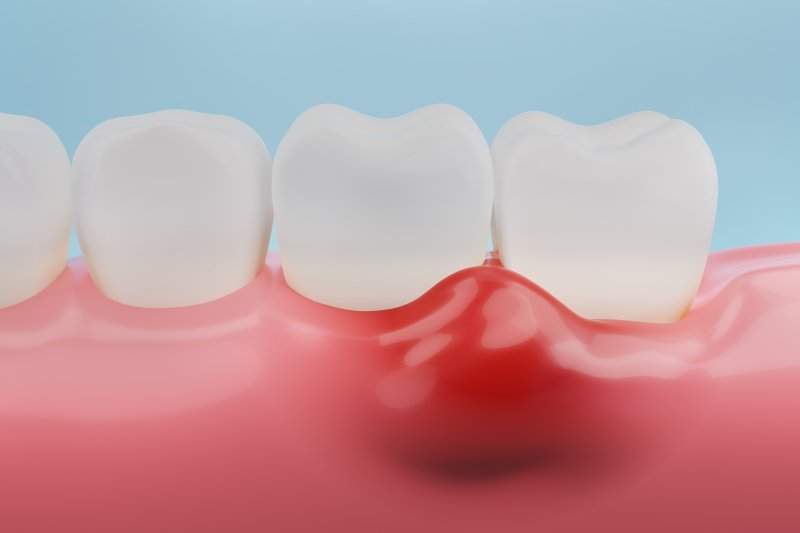
Gum boils may seem like a minor dental issue, but they can signal a deeper problem. These painful, pus-filled bumps on the gums usually indicate an infection and should not be ignored. If left untreated, gum boils can lead to more serious oral health concerns. Let’s explore what gum boils are, what causes them, and how they can be treated.
What are gum boils?
Simply are swellings that appear on the gum line. They usually form as a result of an infection from a tooth, the gum tissue, or the bone beneath. The boil is filled with pus, which your body creates to fight off bacteria. While it may drain on its own, this doesn’t mean the infection has healed. In most cases, professional dental care is required to fully resolve the issue.
Gum boils causes and symptoms
Next, let’s look at the root causes. Gum boils are typically triggered by poor oral hygiene, untreated cavities, or advanced gum disease (periodontitis). In some cases, food particles or dental work can irritate the gum and contribute to infection.
Symptoms include swelling, redness, a bad taste in the mouth, and mild to severe pain. Some people may also experience bleeding or feel pressure near the affected area. If you notice a recurring bump or consistent pain, it’s important to see your dentist.
How to treat gum boils
Fortunately, gum boils are treatable. Treatment depends on the cause. If the infection is from a dead or abscessed tooth, a root canal may be necessary. If the issue stems from gum disease, deep cleaning (scaling and root planing) can help remove bacteria and plaque buildup. In some cases, antibiotics may be prescribed to control the infection.
Equally important is good oral hygiene. Brushing twice daily, flossing regularly, and using an antibacterial mouthwash can prevent future gum boils. Drinking plenty of water and avoiding sugary snacks will also support a healthier mouth.
Visit Advanced Smiles Dentistry
Lastly, don’t wait until the pain becomes unbearable. A gum boil that persists for more than a few days should be checked by a dentist. Early treatment can prevent complications like bone loss or the spread of infection.